
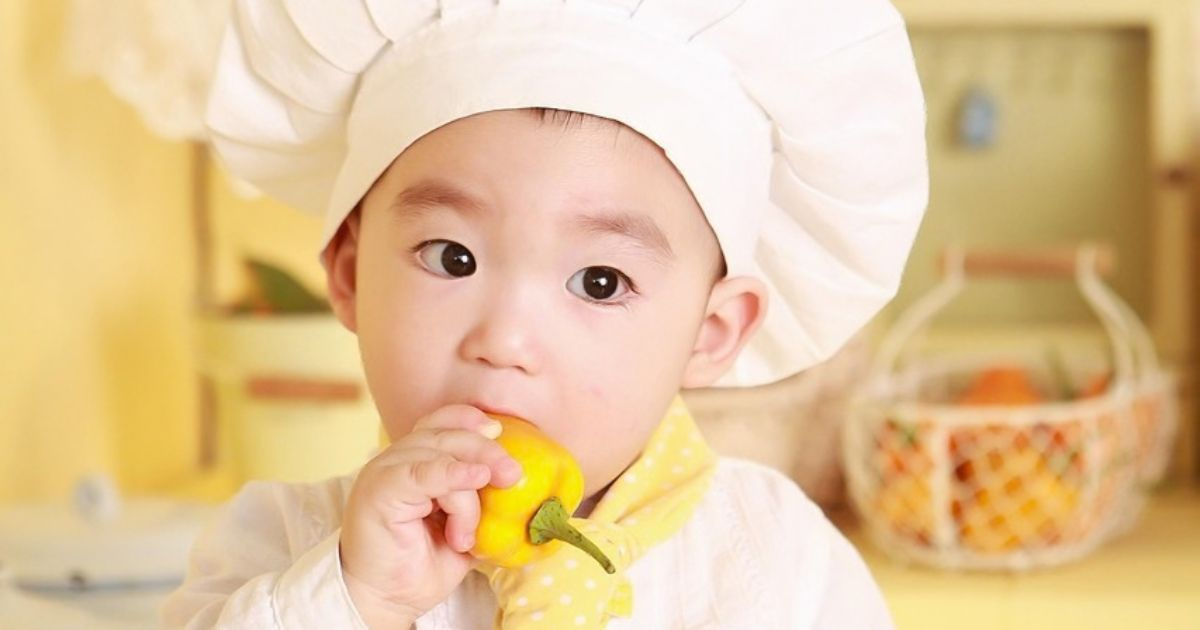
The toddler years are a period of rapid growth and discovery. By the age of two, children are developing new skills in movement, communication, thinking, and emotional understanding.
Many parents notice their child becoming more independent and curious about the world around them. Although every child develops at their own pace, understanding typical development milestones for a 2-year-old can help parents and caregivers support healthy development. In this guide, we will explore the most common physical, language, cognitive, social, and independence milestones children reach around the age of two.
Physical Development Milestones for a 2-Year-Old
By two years old, toddlers have gained much more control over their bodies. Their balance, coordination, and strength improve significantly during this stage. Many children become more adventurous and enjoy activities that involve movement and exploration.
Typical physical milestones include:
- Walking and running confidently
- By the age of two, most toddlers can walk steadily and have started running. Their running style may still look a little stiff or slightly unbalanced, but they are generally able to move quickly and change direction while playing. Running helps strengthen leg muscles and improves overall coordination.
- Kicking a ball
- Kicking a ball is a common milestone that helps toddlers develop coordination between their eyes and feet. At first, they may simply push the ball forward, but over time they learn how to swing their leg and make stronger kicks.
- Climbing onto and down from furniture
- Many two-year-olds enjoy climbing onto chairs, sofas, or low furniture. While this behaviour can sometimes worry parents, climbing is actually an important part of developing balance, strength, and spatial awareness.
- Walking up and down stairs with support
- Toddlers often begin walking up and down stairs while holding onto a railing or an adult’s hand. At this stage, they usually place both feet on each step before moving to the next one, rather than alternating feet.
- Beginning to jump with both feet
- Jumping requires coordination, balance, and leg strength. Some two-year-olds start jumping with both feet leaving the ground, although this skill may still look a little unsteady.
- Turning book pages
- Fine motor skills improve significantly at this age. Many toddlers can turn pages in books one at a time, which shows increased hand control and coordination.
- Stacking 4–6 blocks
- Building towers with blocks helps develop both fine motor skills and concentration. Toddlers often enjoy knocking their towers down and rebuilding them again.

These physical skills are important because they allow children to explore their environment more independently and confidently.
Language Development Milestones
Language development often accelerates rapidly during the second year of life. Many parents notice their child learning new words frequently and beginning to combine them into short phrases.
Typical language milestones include:
- Using 50 or more words
- By age two, many toddlers have a vocabulary of at least 50 words. These words often include family members, common objects, animals, foods, and favourite toys. Combining two words into simple phrases Two-word phrases are a major language milestone. Children may begin saying things like “more juice,” “mummy come,” or “big dog.” These early combinations are the foundation of sentence development.
- Following simple instructions
- Most two-year-olds can understand and follow simple instructions such as “bring me the ball” or “put the toy in the box.” This shows that their understanding of language is growing rapidly. Pointing to objects or pictures when named When looking at books, toddlers may point to animals or objects when asked to find them. This demonstrates both language comprehension and recognition skills.
- Naming familiar people and objects
- Many children at this age can name parents, siblings, pets, and favourite toys. However, pronunciation may still be unclear as speech skills continue developing. At this stage, strangers may understand around half of what a toddler says, while parents and caregivers typically understand much more.
Cognitive Development Milestones
Cognitive development refers to how children think, learn, explore, and solve problems. At two years old, toddlers become very curious about how things work.
Typical cognitive milestones include:
- Sorting shapes and colours
- Many toddlers begin recognising simple differences between shapes and colours. Toys like shape sorters help them practice matching and categorising objects.
- Completing simple puzzles
- Puzzles with large pieces become interesting at this age. While toddlers may still need help, they often enjoy trying to fit pieces together.
- Pretend play
- Imaginative play becomes much more common. A child may pretend to feed a doll, drive a toy car, or cook in a play kitchen. Pretend play helps develop creativity and understanding of everyday situations.
- Following two-step instructions
- Toddlers may begin following simple two-step directions such as “pick up the toy and give it to daddy.” This shows increasing memory and understanding.
- Understanding cause and effect
- Children start recognising that their actions create results. For example, they may press a button to make a toy light up or drop objects repeatedly to see them fall. These thinking skills help toddlers begin understanding how their world works.

Social and Emotional Development
Two-year-olds are learning how to interact with others and express their emotions. This stage often involves big feelings as toddlers develop independence.
Typical social and emotional milestones include:
Showing affection to familiar people
Many toddlers show affection by hugging, cuddling, or sitting close to parents and caregivers. This behaviour reflects their growing emotional attachments.
Playing alongside other children (parallel play)
Instead of playing directly together, toddlers often play next to other children while using similar toys. This stage is known as parallel play and is a normal part of early social development.
Imitating adults and older children
Toddlers learn by copying what they see. They may pretend to sweep the floor, talk on a toy phone, or mimic everyday activities.
Experiencing frustration and tantrums
Two-year-olds experience strong emotions but may not yet have the words to explain how they feel. This can lead to frustration or tantrums. Wanting independence Many toddlers insist on doing things themselves, such as feeding themselves or choosing what they want to wear. Learning to manage emotions and interact with others is an important part of toddler development.
Self-Care and Independence Milestones
Two-year-olds are becoming more independent and often enjoy practicing everyday tasks.
Common independence milestones include:
- Feeding themselves with a spoon
- Many toddlers can use a spoon fairly well, although spills are still very common while their coordination improves.
- Drinking from an open cup
- Children may begin drinking from regular cups rather than sippy cups. This skill requires careful control and balance.
- Helping to dress themselves
- Toddlers often attempt to put on simple clothing items such as hats or shoes. Although they may need help, practicing these skills builds confidence.
- Washing and drying hands with help
- With guidance, toddlers can begin participating in hygiene routines such as washing their hands after meals or playtime.
- Showing interest in potty training
- Some children begin showing curiosity about the toilet or potty around this age, although readiness varies widely. Encouraging independence helps toddlers develop confidence, responsibility, and life skills.
When Should Parents Be Concerned?
- Every child develops differently, but parents may want to seek professional advice if a two-year-old:
- Uses fewer than 20 words Does not combine two words
- Cannot walk steadily
- Does not imitate actions
- Shows little interest in interacting with others
- Does not follow simple instructions
Early support can help children who may need additional developmental assistance.
Final Thoughts
The second year of life is filled with exciting changes. Two-year-olds are learning new skills in movement, communication, thinking, and emotional expression every day. While milestones provide helpful guidance, it is important to remember that each child develops at their own pace. By providing a safe, supportive, and engaging environment, parents and caregivers can help toddlers build the skills and confidence they need as they grow.


