
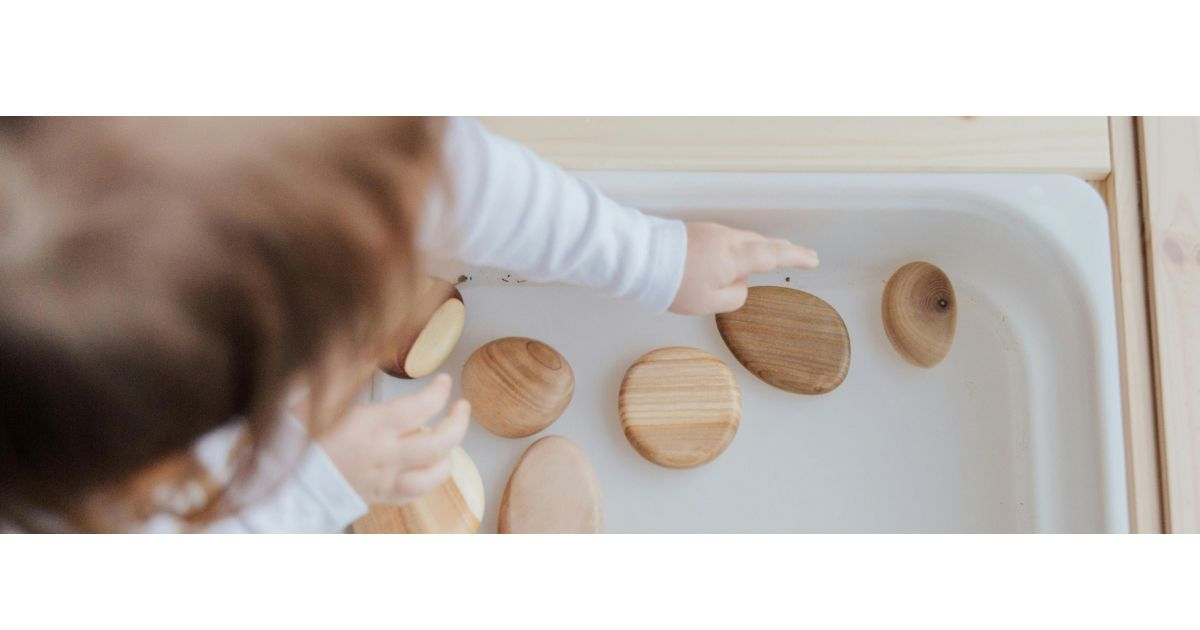
12 Activities That Build Fine Motor Skills in Toddlers
Fine motor skills are an important part of early childhood development. These skills involve the small muscles in a child’s hands and fingers, which are used for everyday tasks such as holding a spoon, turning pages in a book, stacking toys, and eventually learning to write.
During the toddler years, children are constantly strengthening these small muscles through play and daily activities. The more opportunities they have to explore, grasp objects, squeeze materials, and manipulate small items, the more their coordination and control improve.
From my experience working with young children, toddlers develop fine motor skills most effectively when they are learning through play rather than structured lessons. Simple hands-on activities can strengthen hand muscles while also encouraging curiosity, creativity, and independence.
Below are some simple activities that help build fine motor skills in toddlers while keeping playtime fun and engaging.
Why Fine Motor Skills Are Important
Fine motor development supports many of the everyday skills children will use as they grow. Strong fine motor skills help toddlers learn to:
- Feed themselves with spoons and forks
- Turn pages in books
- Build with blocks and small toys
- Draw and colour
- Button clothing and zip jackets
- Use scissors and pencils later on
Developing these skills early helps toddlers become more independent and confident in their abilities.
Fine motor activities also strengthen the connection between the brain and the hands, which helps improve coordination, focus, and problem-solving skills.
12 Activities That Build Fine Motor Skills
These activities are simple to set up and encourage toddlers to use their hands in ways that naturally build strength and coordination.
1. Playing With Playdough
Playdough is one of the best tools for strengthening the small muscles in a toddler’s hands. When children squeeze, roll, pinch, and flatten playdough, they are developing the hand strength needed for future tasks like writing.
Toddlers can explore playdough in many ways. They might roll it into balls, press shapes into it, or break it into smaller pieces. Even simple actions like squishing the dough between their fingers help build important motor skills.
You can also add tools such as rolling pins, cookie cutters, or plastic knives to encourage more hand movements and creativity.
2. Sticker Play
Peeling and sticking stickers may seem simple, but it is actually a great activity for fine motor development.
To remove a sticker from the sheet, toddlers must carefully use their fingers to lift the edge and peel it away. Then they need to control their hand movement as they place it onto paper.
You can encourage creativity by letting toddlers create sticker pictures or decorate cards. This activity also helps improve focus and patience.
3. Building With Blocks
Building towers with blocks requires toddlers to carefully pick up, position, and balance objects. These actions strengthen hand muscles while improving hand-eye coordination.
Stacking blocks also teaches toddlers about balance, problem-solving, and spatial awareness. Many toddlers enjoy building towers and knocking them down repeatedly, which provides lots of opportunities for practice.
Large wooden blocks, soft blocks, or connecting building toys can all support fine motor development.
4. Threading Beads
Threading activities are excellent for developing coordination and control. When toddlers thread beads onto string or pipe cleaners, they must carefully guide the bead and use both hands together.
This activity helps toddlers practice:
- Grasping small objects
- Controlling finger movements
- Coordinating both hands
For younger toddlers, larger beads or pasta shapes work best, as they are easier for small hands to hold.
5. Drawing and Colouring
Drawing and colouring help toddlers practice holding crayons or markers and controlling the movement of their hands.
At first, toddlers may simply scribble on the page, but this is an important step in developing hand control. Over time, children begin to draw lines, circles, and simple shapes.
Providing chunky crayons or markers designed for small hands can make drawing easier and more comfortable for toddlers.
6. Using Tongs or Tweezers
Using child-safe tongs or tweezers to pick up small objects is a fantastic way to strengthen finger muscles.
You can create a simple activity by placing small items such as pom-poms, cotton balls, or small blocks into a bowl and asking your toddler to move them into another container using the tongs.
This type of activity requires careful hand control and concentration, which supports fine motor development.
7. Simple Puzzles
Puzzles encourage toddlers to pick up pieces, rotate them, and fit them into the correct spaces. These actions strengthen hand muscles while also developing problem-solving skills.
For toddlers, it is best to start with puzzles that have large pieces and small handles, which make them easier to grasp.
As children grow, they can gradually move on to puzzles with smaller pieces and more complex designs.
8. Sensory Bins
Sensory bins filled with materials such as rice, pasta, or dried beans provide many opportunities for toddlers to practice fine motor skills.
Children can scoop, pour, and search through the materials to find hidden objects. These movements help strengthen hand muscles and improve coordination.
Adding small cups, spoons, or containers encourages even more exploration and practice.
9. Tearing and Crumpling Paper
Tearing paper into smaller pieces requires toddlers to use both hands and control the strength of their fingers.
After tearing the paper, children can crumple the pieces into balls or glue them onto paper to create simple artwork.
This activity may seem simple, but it is very effective for strengthening the muscles in the hands.
10. Posting Activities
Posting activities involve placing objects into small openings, such as putting coins into a piggy bank or dropping small blocks into a container.
These activities help toddlers practice precise hand movements and develop better control of their fingers.
Even something as simple as placing pasta into a small jar can provide excellent fine motor practice.
11. Water Play With Cups and Spoons
Water play is both fun and beneficial for fine motor development.
Toddlers can scoop water with spoons, pour it between containers, or squeeze sponges. These movements strengthen hand muscles and improve coordination.
Water play also encourages sensory exploration and imaginative play.
12. Helping With Everyday Tasks
Many everyday tasks provide valuable opportunities for toddlers to practice fine motor skills.
For example, toddlers can help with:
- Stirring ingredients while cooking
- Picking up toys during tidy-up time
- Turning pages during storytime
- Practicing feeding themselves
These everyday activities allow toddlers to strengthen their hands while also developing independence.
Tips for Supporting Fine Motor Development
Helping toddlers develop fine motor skills does not require complicated toys or structured lessons. In most cases, simple play activities are the most effective.
Here are a few helpful tips:
- Provide a variety of hands-on activities
- Allow toddlers time to explore and practice
- Encourage creativity through play
- Avoid rushing children when they are learning new skills
From my experience working with toddlers, children develop these skills best when they are given time to explore at their own pace.
Final Thoughts
Fine motor skills are an essential part of toddler development. Activities that involve squeezing, grasping, picking up small objects, and manipulating materials help strengthen the muscles in the hands and fingers.
By providing simple activities such as playdough, puzzles, drawing, threading, and sensory play, parents can support their child’s development in a natural and enjoyable way.
Over time, these small everyday experiences help toddlers build the strength and coordination they need for important skills like writing, dressing themselves, and completing everyday tasks


