
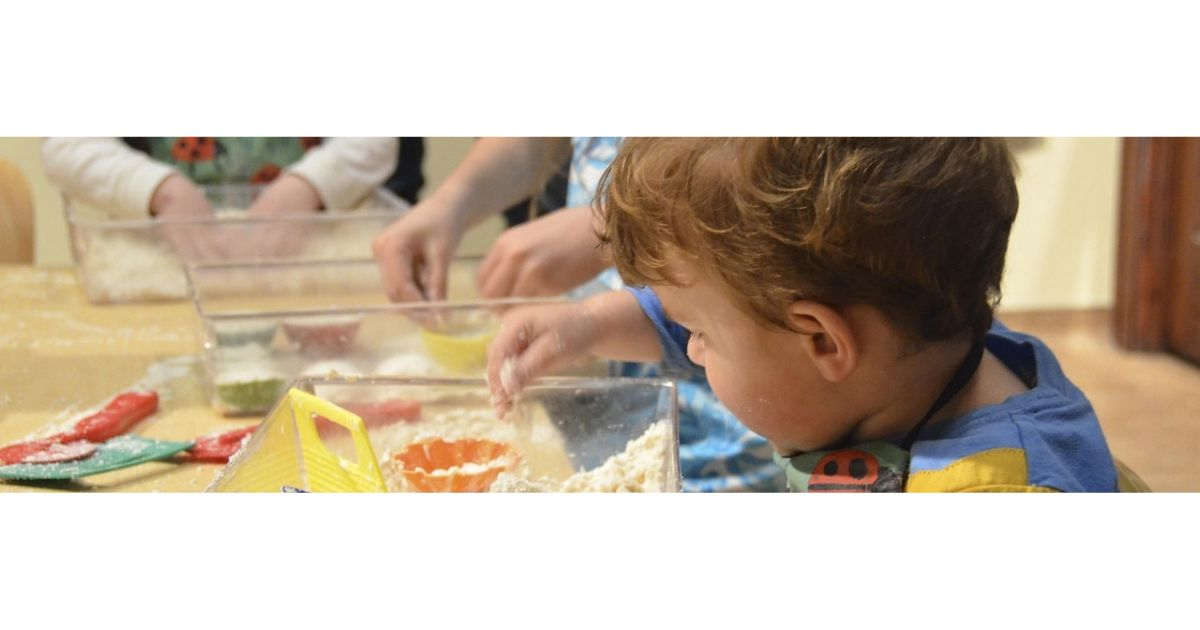
Sensory play is one of the most important types of play during early childhood. It allows toddlers to explore the world using their senses, helping them understand textures, movement, temperature, and cause and effect. These experiences play a huge role in brain development and support many areas of learning.
However, when many parents think of sensory play, they imagine messy activities involving flour, paint, slime, or sand covering the entire floor. While these types of activities can be fun, they are not always practical in everyday life.
The good news is that sensory play does not have to be messy to be beneficial. There are many low-mess sensory play ideas for toddlers that are simple to set up, enjoyable for children, and easy for parents to manage.
Below are several sensory activities that encourage exploration and learning while keeping cleanup to a minimum.
Why Sensory Play Is Important for Toddlers
During the toddler years, children learn best through hands-on experiences. Sensory play allows them to experiment, observe changes, and develop a deeper understanding of how things work.
When toddlers interact with different materials and textures, they are building important neural connections in the brain. These connections support later learning skills such as problem-solving, language development, and coordination.
Sensory play also helps children practice many developmental skills at the same time.
Some of the key benefits include:
- Fine motor development – Activities that involve picking up, squeezing, or moving objects strengthen the small muscles in the hands and fingers. These muscles are essential for skills such as writing, drawing, and buttoning clothes later on.
- Hand–eye coordination – When toddlers scoop, pour, or move objects, they are learning to coordinate their hand movements with what they see. This helps improve control and precision.
- Problem-solving skills – Sensory activities encourage children to experiment and figure things out. For example, a toddler might notice how ice melts or how objects move inside a sensory bottle.
- Language development – When adults talk to children about textures, colours, and movements, toddlers begin to build vocabulary and learn new descriptive words.
- Emotional regulation – Many sensory activities have a calming effect. Repetitive actions such as squeezing, pressing, or sorting objects can help toddlers relax and stay focused.
Because of these benefits, sensory play is often recommended as part of a child’s daily routine.
1. Water Painting
Water painting is one of the easiest and cleanest sensory activities you can introduce to toddlers. It gives children the experience of painting without needing any paint at all.
To set up this activity, simply provide a small bowl of water and a paintbrush. Children can then “paint” onto surfaces such as cardboard, fences, chalkboards, or pavement.
As the water dries, the painting disappears, which allows toddlers to repeat the activity again and again. Many children find this fascinating because they can see the changes happening in front of them.
This activity works well because:
- It encourages creativity and imagination
- Children experience the movement of water and brush strokes
- There is virtually no cleanup required
Water painting is especially great outdoors, but it can also be done indoors on surfaces like paper or chalkboards.
2. Sticker Play
Sticker play might seem simple, but it provides an excellent sensory and fine motor experience for toddlers.
Peeling a sticker from a sheet requires careful finger movements, which helps strengthen the small muscles in the hands. Toddlers also enjoy the tactile experience of touching and pressing the stickers onto different surfaces.
To create this activity, give your child a sheet of stickers along with paper, cardboard, or an old notebook. You can also encourage creativity by letting them decorate boxes or homemade “art pages.”
Sticker play supports development in several ways:
- Strengthens finger muscles and fine motor control
- Encourages creativity and decision-making
- Helps toddlers practice focus and patience
It is also a quiet activity that can keep toddlers engaged for longer periods of time.
3. Sensory Bags
Sensory bags are a fantastic option for mess-free sensory play because everything stays sealed inside the bag.
To create one, fill a strong zip-lock bag with materials such as hair gel, clear gel, colored water, or small objects like buttons and beads. Seal the bag tightly and tape it to a table, floor, or window so toddlers can safely explore it.
Children can press, squish, and move the materials inside the bag while observing how the objects shift and move.
Popular sensory bag ideas include:
- Hair gel mixed with glitter for visual stimulation
- Colored water with small floating toys
- Gel with buttons or foam shapes for texture
This activity encourages curiosity while keeping the materials fully contained.
4. Ice Cube Exploration
Ice cube play introduces toddlers to the sensory experience of temperature and texture. The cold surface of the ice creates a completely new sensation that many children find exciting.
Place a few ice cubes in a bowl, tray, or container and allow toddlers to explore them with their hands or simple tools such as spoons or cups.
You can also freeze small toys inside the ice cubes to create a fun “discovery activity.” As the ice melts, children slowly uncover the hidden objects.
This activity allows toddlers to explore:
- Temperature differences
- Texture changes as the ice melts
- Cause and effect
It is a simple activity that can hold a child’s attention while also encouraging observation and curiosity.
5. Pom Pom Sorting
Pom poms are soft, colourful, and easy for toddlers to handle. They provide a great sensory experience without creating much mess.
Give your child a bowl filled with pom poms along with cups, containers, or muffin trays. Toddlers can move the pom poms from one container to another, sort them by colour, or pick them up using spoons or small tongs.
While the activity may seem simple, it supports several important skills.
Pom pom sorting helps toddlers develop:
- Fine motor coordination
- Early sorting and categorising skills
- Concentration and focus
Because pom poms are lightweight and easy to clean up, they are a very practical sensory material for everyday play.
6. Sensory Bottles
Sensory bottles are both calming and visually stimulating for young children. They allow toddlers to observe movement, colours, and objects in a contained space.
To make a sensory bottle, fill a clear plastic bottle with water and add materials such as glitter, beads, sequins, or coloured oil. Once the lid is securely sealed, toddlers can shake and move the bottle to watch the objects swirl around.
Many children enjoy watching how the items slowly settle back down after being shaken.
Sensory bottles are useful for:
- Quiet play and calming moments
- Visual sensory stimulation
- Encouraging observation and curiosity
They can also be helpful tools during transitions or when toddlers need help settling down.
Tips for Keeping Sensory Play Low-Mess
Even simple sensory activities can become messy if they are not set up properly. A few small adjustments can make sensory play much easier to manage at home.
Parents can keep activities under control by using simple strategies.
Helpful tips include:
- Use trays or containers to keep materials in one space
- Choose contained activities like sensory bags or bottles
- Keep wipes or cloths nearby for quick cleanups
- Start with small amounts of materials when introducing new activities
By setting clear boundaries and using contained materials, toddlers can enjoy sensory play while keeping the environment tidy.
Final Thoughts
Sensory play is a powerful way for toddlers to explore, learn, and develop important skills. Through hands-on experiences, children begin to understand textures, movement, temperature, and cause-and-effect relationships.
Fortunately, sensory activities do not have to involve large messes or complicated setups. Simple activities such as water painting, sticker play, sensory bags, and pom pom sorting provide the same developmental benefits while remaining easy to manage.
By including low-mess sensory play ideas in your toddler’s routine, you can encourage curiosity, creativity, and learning in a way that feels manageable and enjoyable for both parents and children.


