
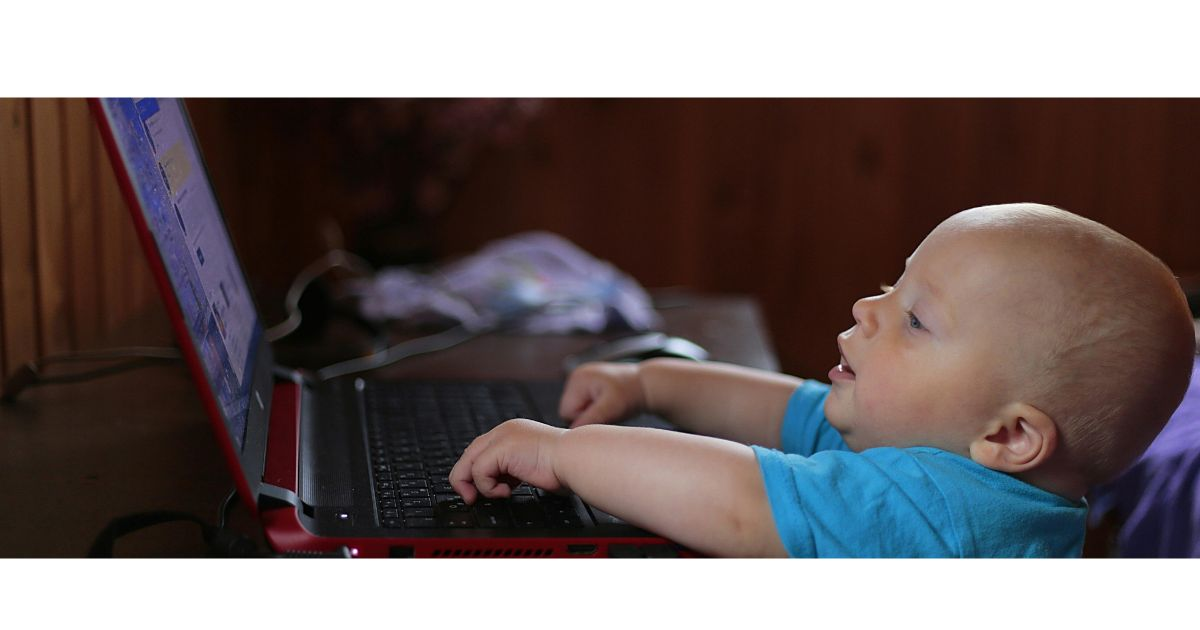
From tablets and phones to TVs and even smart toys. As a parent, it’s easy to feel torn. On one hand, screens can entertain, educate, and even connect your child with loved ones. On the other, too much screen time can worry you, especially when your child seems glued to the device.
The good news is that we don’t suggest banning screens entirely. What matters is how, when, and why your child uses them. With thoughtful habits, screen time can be a tool, not a problem.
Understanding Guidance
The American Academy of Paediatrics (AAP) provides helpful guidelines for children’s screen time. For babies under 18 months, screen use should be limited to video calls with family. This is because the first year of life is a critical period for learning through interaction, not passive observation.
Even educational videos at this age can’t replace the back and forth connection your baby needs for language and social development. For toddlers between 18 and 24 months, limited, high quality content can be introduced, but only if parents watch alongside them.
Coviewing is key. It’s not just about keeping your child entertained; it’s about explaining what they see, answering questions, and connecting screen content to the real world.
Pairing screen time with daily routines supports learning – see our Toddler Years Made Easy: Tips for Play, Learning & Independence for practical strategies.
Children ages 2 to 5 can have up to an hour of high-quality programming per day. Again, this works best when parents co-view and engage. By ages 6 and up, screen use becomes more flexible, but balance remains crucial. Encouraging offline play, family interaction, and adequate sleep is still a priority.
Why Balance Is Important
Early childhood is a period of rapid brain development. Children learn best through hands-on exploration, physical activity, and face-to-face interaction. Excessive screen time can interfere with these essential experiences. Research shows that too much passive screen use can affect sleep patterns, reduce attention spans, and sometimes slow language development.
For example, a toddler who spends hours watching videos may have fewer opportunities to engage in pretend play, which is critical for creativity, problem-solving, and understanding emotions.
This doesn’t mean screens are inherently bad — it means that intentional, limited use is what supports healthy development.
For creative ways to encourage offline learning, try our 10 Fun Indoor Activities Toddlers Will Love on Rainy Days.

Choosing Quality Screen Time
Not all screen time is created equal. Some shows, apps, or games can actively support learning, while others may simply entertain without benefits. High-quality screen time might include an episode of Sesame Street that teaches numbers and empathy, a short interactive app that encourages drawing or problem-solving, or a video call with a grandparent that sparks conversation.
The key is that the content engages the child meaningfully and encourages interaction, rather than passively absorbing information. Lower-quality screen time includes endless autoplay videos, flashy content designed for older children or adults, or screens used as a substitute for meals or attention. These may overstimulate children and offer little learning value. A helpful question for parents to ask is: “Does this screen time help my child learn, connect, or relax in a positive way?”If the answer is no, it’s time to reconsider.
Making Screen Time Interactive
The biggest difference comes from co-viewing and discussing content. When parents sit with their children and talk about what’s happening on screen, it turns passive watching into an active learning experience. For example, if your child watches a cartoon where a character feels sad, you can ask, “Why do you think they feel that way?” or “What would you do if that happened to you?” This helps children learn emotional regulation, empathy, and problem-solving. Even simple interactions like repeating words, counting objects on screen, or acting out a scene can strengthen learning.
Practical Strategies for Healthy Screen Use
Instead of strict limits, try to create predictable routines and mindful habits:
• No-screen zones: Keep mealtimes, bedrooms, and car seats screen-free. This encourages conversation, healthy sleep, and self-regulation.
• Model healthy habits: Children imitate adults, so show moderation in your own screen use. • Balance with play and learning: Encourage outdoor activities, art projects, reading, or imaginative play. Physical activity is crucial for both brain and body development.
• Predictable schedules: Designate times for educational shows or family-friendly movies so screens become part of the routine, not a constant source of conflict.
• Avoid autoplay: This reduces overstimulation and allows children to make intentional choices about what they watch. By integrating screens thoughtfully into the day, children can enjoy them as a tool rather than a distraction. When Screens Can Be Beneficial While it’s important to limit screen time, there are situations where screens can be helpful and even enriching:
• Connection: Video calls with distant relatives or friends allow children to maintain relationships.
• Travel or waiting: Screens can provide calm and engagement during long car rides, doctor visits, or waiting periods.
• Learning tools: Interactive apps and educational videos can reinforce skills, especially if paired with guidance.
• Support for special needs: Children with developmental differences may benefit from certain apps or videos designed for communication or learning support. The key is intention — choose content that adds value to your child’s experience.
Key Takeaways for Parents
1 Balance is everything: Focus on quality and purpose rather than just screen time minutes.
2 Co-view whenever possible: Discuss, question, and connect what your child sees to the real world.
3 Prioritise offline play: Active play, interaction, and sleep are irreplaceable.
4 Use screens thoughtfully: Make sure screen use supports learning, connection, or relaxation — not just passive entertainment. Small, intentional changes can turn screen time into a positive part of your child’s life, rather than a source of worry.
FAQ for Parents
Q: How much screen time is safe for toddlers?
A: Ages 2–5 can have about one hour per day of high-quality content, ideally with an adult present to engage with them.
Q: Can screen time be educational?
A: Absolutely. When paired with discussion and interaction, videos and apps can support learning, creativity, and language skills.
Q: How do I reduce screen time without tantrums?
A: Offer appealing alternatives like outdoor play, sensory activities, or reading. Give warnings before turning screens off and make it part of a predictable routine.


