
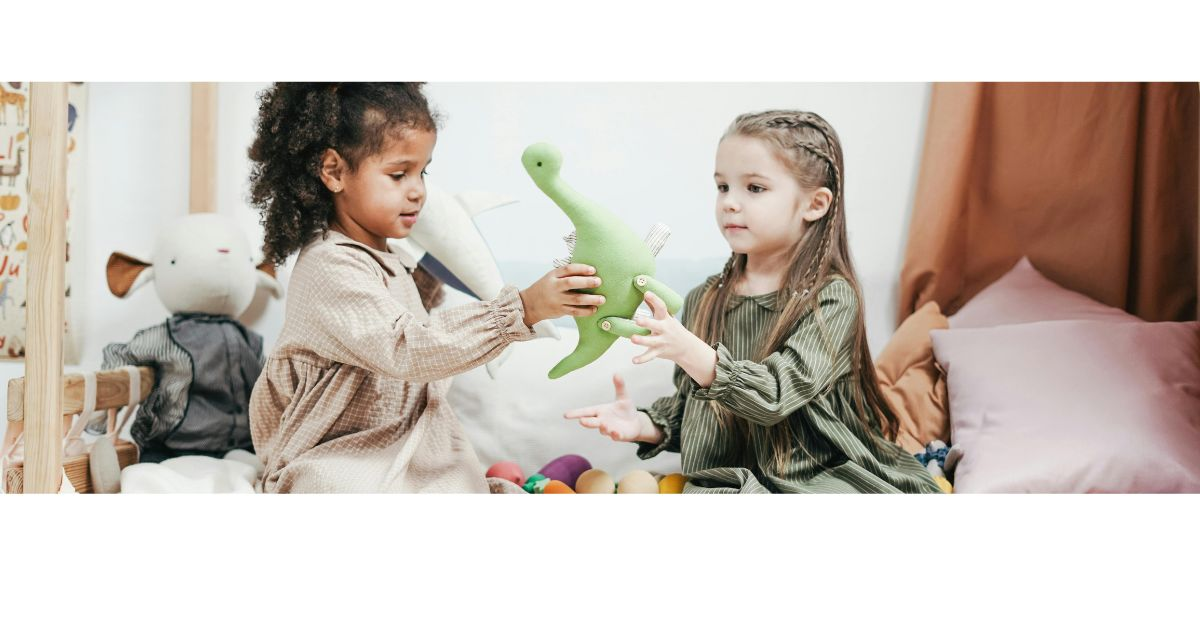
Teaching toddlers to share can feel challenging for many parents. It’s common to see toddlers grab toys, refuse to give them back, or become upset when another child tries to play with something they are using. While this behaviour can be frustrating, it is actually a normal part of toddler development.
Toddlers are still learning about social skills, emotions, and boundaries. Sharing is not something children naturally understand right away. It takes time, patience, and guidance for toddlers to learn how to share with others.
From my experience working with young children in childcare, toddlers gradually learn to share when adults guide them calmly and consistently. With the right strategies, parents can help toddlers develop important social skills that will benefit them throughout childhood.
⸻
Why Toddlers Struggle to Share
Before teaching toddlers to share, it helps to understand why its difficult at this age.
Toddlers are naturally focused on their own needs and desires. Developmentally, they are still learning that other children have feelings and wants too. When a toddler takes a toy or refuses to give it up, they are not trying to be selfish they simply do not yet understand the concept of sharing.
Toddlers are also still developing emotional regulation. If a toy is taken away suddenly, they may react with crying, frustration, or tantrums.
Understanding this stage of development can help parents approach with patience rather than punishment.
⸻
When Toddlers Learn to Share
Many parents expect toddlers to share naturally, but sharing skills usually develop gradually.
Most children begin learning the basics of sharing between 2 and 3 years old, but it often takes several more years before children fully understand and practice consistently.
In childcare settings, it is very common to see toddlers struggle with sharing during playtime. However, with gentle guidance and practice, children slowly begin to understand turn-taking and cooperation.
⸻
How to Teach Toddlers to Share
Teaching sharing is about guiding toddlers through small learning moments rather than expecting instant results.
Below are some simple strategies that help toddlers learn to share.
⸻
Model Sharing Yourself
Children learn best by watching the adults around them. When parents model sharing in everyday situations, toddlers begin to understand what sharing looks like.
For example, you might say:
• “I’ll share my snack with you.”
• “Let’s share this book and read it together.”
These small examples show toddlers that sharing is a normal and positive behaviour.
⸻
Teach Turn-Taking
For toddlers, turn-taking is often easier to understand than sharing.
If two children want the same toy, you might say:
“Your friend is playing with the truck right now. When they are finished, it will be your turn.”
This helps toddlers learn patience and understand that they will still have a chance to play.
In my experience working with toddlers, explaining turns calmly often prevents conflicts from becoming bigger problems.
⸻
Prepare Toddlers Before Playdates
Sharing can be especially difficult when toddlers are playing with friends. Preparing your child ahead of time can help them know what to expect.
For example, you might say:
“Your friend is coming to play today. We will take turns with toys and share them.”
Talking about sharing before playtime helps toddlers understand the expectation.
⸻
Use Gentle Guidance
If a toddler grabs a toy from another child, it is helpful to guide them calmly rather than scolding.
You might say:
“I see you really want that toy. Your friend is using it right now. Let’s find another toy while you wait.”
This approach teaches empathy and patience without making the child feel ashamed.
⸻
Praise Positive Sharing
When toddlers do share, even in small ways, it is important to notice and encourage that behaviour.
For example:
“Great sharing! That was very kind of you to let your friend play with the blocks.”
Positive reinforcement helps toddlers understand that sharing is a good behaviour.
⸻
What Not to Do When Teaching Sharing
Some common approaches can accidentally make sharing harder for toddlers.
For example:
• Forcing a toddler to immediately give up a toy
• Punishing a child for not sharing
• Taking toys away as discipline
If a child is deeply engaged with a toy, suddenly forcing them to share can feel unfair and cause frustration.
Instead, guiding children through turn-taking and waiting usually works better.
⸻
The Role of Patience
Learning to share takes time. Toddlers are still developing emotional skills, empathy, and communication.
From my experience working with young children, the most successful approach is consistent guidance and patience. Over time, toddlers begin to understand how to cooperate and play more happily with others.
Parents often notice that once children begin preschool or spend more time with other children, their sharing skills improve naturally.
⸻
Final Thoughts
Teaching toddlers to share is an important part of helping them develop social and emotional skills. While it may take time, toddlers gradually learn to share through practice, guidance, and positive examples.
By modeling sharing, encouraging turn-taking, and responding calmly during conflicts, parents can help toddlers build the skills they need to cooperate with others.
With patience and support, most toddlers learn that sharing can make playtime more fun for everyone


