
Fever in Toddlers: When to Worry
Fever is one of the most common concerns for parents of toddlers. As a nanny with hands-on experience caring for young children every day, I’ve seen how quickly a slight temperature can cause worry. A fever can be alarming, especially if your child seems uncomfortable or unusually quiet. While most fevers are harmless and part of the body’s natural immune response, it’s important to know when to monitor at home, when to call a doctor, and when to take your child to the hospital.
Understanding the causes of fever, how to measure it correctly, and recognizing warning signs will give you confidence in caring for your toddler. With the right knowledge, you can help your child feel safe, comfortable, and recover faster.
What Counts as a Fever in Toddlers
A fever occurs when a child’s body temperature rises above 100.4°F (38°C). Fevers are not illnesses themselves; they are a symptom that the body is fighting an infection. This is a natural part of your toddler’s immune system learning to defend against germs.
Toddlers are especially prone to fevers because they are exposed to new germs regularly at daycare, playdates, and public places. Their immune systems are still developing, so a slight increase in temperature is often their body’s way of fighting off infection.
From my experience caring for toddlers, many parents panic at the first sign of a temperature, but most fevers are mild and resolve within a few days. What matters more than the thermometer reading is how your child behaves, drinks fluids, and engages in normal activities.
How to Measure a Toddler’s Temperature
Accurate measurement is key to determining the seriousness of a fever. Here’s what works best:
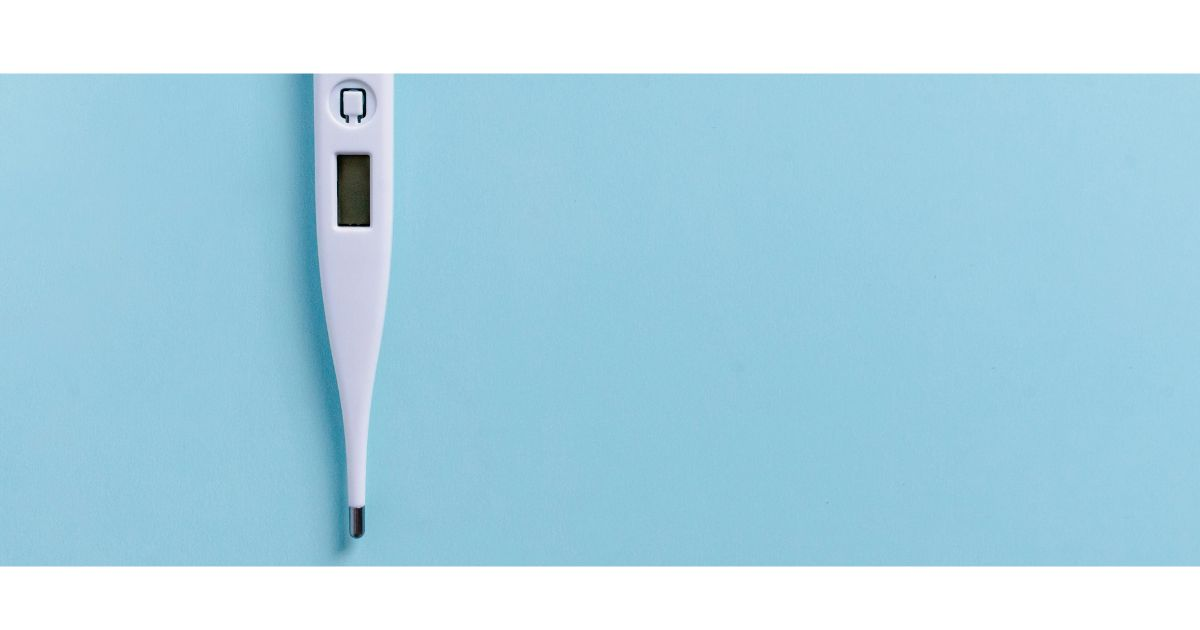
- Digital thermometer: The most reliable method. For children under 3 years, a rectal temperature gives the most accurate reading.
- Ear thermometer: Convenient for older toddlers, but accuracy can vary if not positioned correctly.
- Underarm thermometer: Quick for a rough check, but may underestimate the temperature slightly.
In my experience as a nanny, parents often rely on touch alone. Feeling a child’s forehead can indicate warmth, but it is always safer to confirm with a thermometer before deciding on care or medication.
Common Causes of Fever in Toddlers
Fever in toddlers is usually caused by infections or minor illnesses:
- Viral infections (like colds, flu, or gastroenteritis) – most common
- Ear infections
- Throat infections
- Urinary tract infections
- Teething (can cause a slight temperature rise but usually not high fever)
From my experience, viral infections account for the majority of fevers in toddlers. Children may still be alert, playful, and eating normally even with a mild temperature, which can reassure parents. Understanding the likely cause can help you stay calm and manage the fever appropriately.
When It’s Safe to Monitor at Home
Many fevers are mild and can be managed safely at home if:
- Temperature is below 102°F (38.9°C)
- Child is drinking fluids and staying hydrated
- Child is alert, playful, and interacting normally
- No other concerning symptoms are present
Home care tips for toddlers with fever:
- Keep your toddler hydrated with water, milk, or an electrolyte solution. Dehydration can make a fever worse.
- Dress them in lightweight clothing and use a light blanket if needed.
- Keep the room temperature comfortable — not too hot or too cold.
- Offer small, light meals and let your child rest.
In my experience, toddlers often recover quickly with supportive care, and simply providing comfort and monitoring can make a big difference. Sometimes, just cuddling your child and reading a story together can help them feel safe and relaxed while their body fights off infection.
Comfort Measures for Toddlers
Keeping your toddler comfortable is key when they have a fever:
- Fever reducers: Use age-appropriate medications like acetaminophen or ibuprofen if your child is uncomfortable. Always follow dosing instructions carefully.
- Light clothing: Heavy blankets or clothing can trap heat and raise body temperature further.
- Cool compresses: Gentle sponge baths or cloths on the forehead, wrists, or neck can help them feel cooler.
From my nanny experience, sometimes toddlers just need reassurance, cuddles, and fluids. Comforting them emotionally as well as physically helps them cope with the fever more effectively.
Red Flags: When to Call a Doctor
While most fevers are mild, parents should call a doctor if any of the following occur:
- Fever 102°F (38.9°C) or higher lasting more than 48–72 hours
- Persistent vomiting or diarrhea
- Trouble breathing or rapid breathing
- Signs of dehydration (dry lips, few wet diapers, lethargy)
- Severe headache, stiff neck, or unusual rash
- Child is unusually drowsy, irritable, or inconsolable
From my experience, these symptoms indicate the need for prompt medical evaluation. Even if the fever itself seems moderate, changes in behaviour or hydration can signal a more serious illness.
When to Take Your Toddler to the Hospital
Some situations are urgent and require immediate hospital attention:
- Very high fever: 104°F (40°C) or above, especially in children under 2 years
- Seizures: Febrile seizures can occur during high fever
- Severe breathing difficulty: Rapid, laboured, or noisy breathing
- Persistent lethargy or unresponsiveness
- Signs of serious infection: Stiff neck, severe rash, purple or blue skin
- Repeated vomiting or inability to keep fluids down
In my experience as a nanny, if a toddler shows any of these signs, it’s safest to go to the hospital immediately rather than wait. Prompt care can prevent complications and gives parents peace of mind.
Fever Myths Every Parent Should Know
- High fever always means serious illness → Not always; behaviour is often a better indicator than temperature.
- All fevers need antibiotics → Most fevers are viral and do not require antibiotics.
- Medication is always necessary → Only if the child is uncomfortable or at risk of complications.
Being informed about these myths can prevent unnecessary worry and help you focus on what really matters: monitoring your child and seeking help when needed.
Final Thoughts
Fever in toddlers is common and usually not dangerous. Most fevers are part of the body’s natural immune response and resolve with supportive care.
From my experience caring for toddlers, the key is to observe your child’s behaviour, keep them hydrated and comfortable, call your doctor for concerning symptoms, and go to the hospital for urgent signs.
Knowing the difference between mild fevers, warning signs, and urgent symptoms allows parents to stay calm, confident, and prepared to care for their child safely.
Remember, you know your child best. Trust your instincts, and don’t hesitate to seek help if something feels wrong.


