
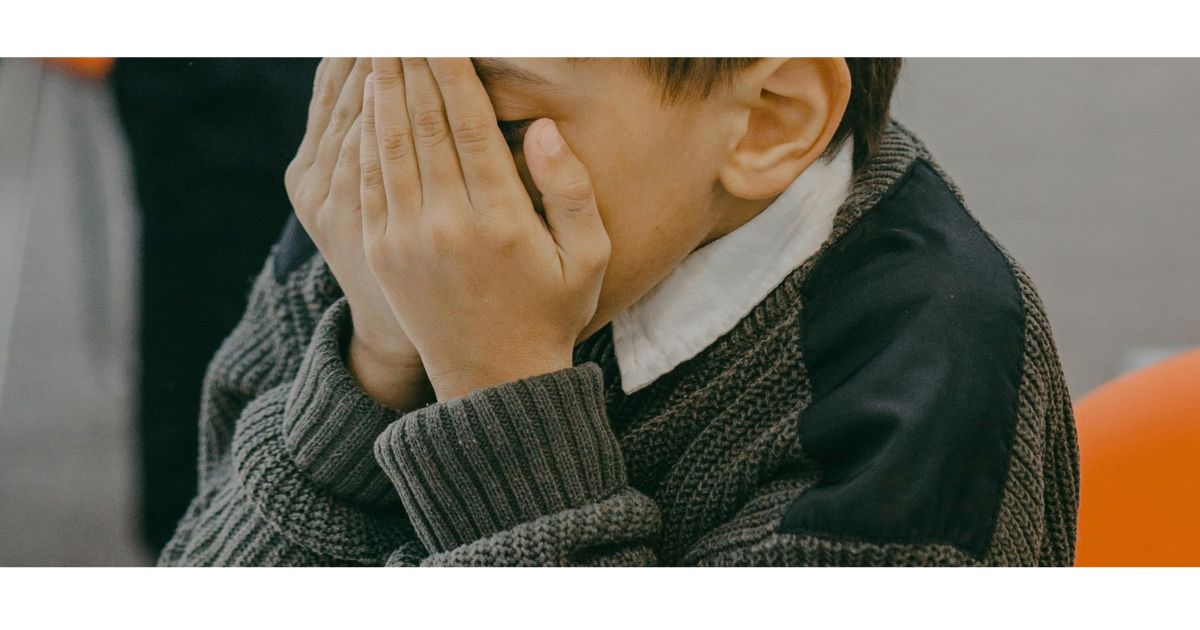
Separation anxiety in toddlers is one of the most common challenges parents face during the early years. Many toddlers cry, cling, or become upset when a parent leaves the room, goes to work, or drops them off at daycare. While this behaviour can feel stressful, it is actually a normal and healthy part of child development.
From my experience working with young children in childcare, separation anxiety is something most toddlers go through at some stage. It can appear suddenly, even in children who were previously happy being left with a caregiver. Understanding why separation anxiety happens and what actually helps toddlers cope can make this stage much easier for both parents and children.
The good news is that separation anxiety is temporary. With patience, consistency, and the right approach, toddlers gradually learn that their caregiver will always return.
⸻
Why Separation Anxiety Happens in Toddlers
Separation anxiety usually appears between 8 months and 3 years old. At this stage, toddlers begin to understand something called object permanence, which means they realize that people still exist even when they cannot see them.
While this is an important developmental milestone, it also means toddlers become aware that their parent has left. Because toddlers rely on their caregivers for safety and comfort, this realization can cause worry or distress.
Several situations can make separation anxiety stronger, including:
• Starting daycare or nursery
• Changes in routine
• Big family changes such as moving house or a new sibling
From my experience working with toddlers, separation anxiety can sometimes appear unexpectedly. A child who previously waved happily at drop-off may suddenly start crying or refusing to separate from their parent. This is very common and usually improves with time.
⸻
Signs of Separation Anxiety in Toddlers
Every toddler reacts differently, but common signs of separation anxiety include:
• Crying when a parent leaves the room
• Clinging to a caregiver or refusing to let go
• Difficulty at daycare or nursery drop-offs
• Waking during the night and calling for a parent
• Wanting constant reassurance or attention
Although these behaviours can be challenging for parents, they often show that the child has formed a strong and secure attachment.
⸻
What Actually Helps Separation Anxiety in Toddlers
While separation anxiety cannot be completely avoided, there are several strategies that genuinely help toddlers feel more secure.
Create a Consistent Goodbye Routine
Toddlers feel safer when they know what to expect. A simple and predictable goodbye routine can make separations easier.
For example, you might:
• Give a hug and kiss
• Say a short goodbye phrase
• Wave at the window or door
In my experience working with toddlers, quick and consistent goodbyes work best. Long emotional farewells often make separation harder because they increase the child’s anxiety.
⸻
Stay Calm and Confident
Toddlers are very sensitive to their parents’ emotions. If a parent seems worried or hesitant about leaving, the child may feel that something is wrong.
A calm and confident goodbye helps reassure the toddler that the situation is safe. Even if a child cries at first, many toddlers settle down quickly once the parent has left.
From my experience in childcare, it’s very common for a child to stop crying just minutes after a parent leaves.
⸻
Practice Short Separations
Gradual separation can help toddlers build confidence over time.
Parents can start by practicing short separations, such as:
• Leaving the child with another trusted caregiver
• Playing in another room for a few minutes
• Increasing time apart gradually
This helps toddlers learn that separations are temporary and that their parent will return.
⸻
Offer a Comfort Item
A familiar object can help toddlers feel safe when their parent is not present.
Examples include:
• A favourite stuffed toy
• A small blanket
• A photo of their parent or family
Comfort items act as a reminder of home and provide emotional reassurance during difficult moments.
⸻
Keep Daily Routines Predictable
Consistency plays a huge role in helping toddlers feel secure. When daily routines stay predictable, toddlers know what will happen next, which reduces anxiety.
In childcare settings, I often see that children who follow a regular routine adjust to separation more quickly. They learn that their parent always comes back at the same time each day.
⸻
What Can Make Separation Anxiety Worse
Some strategies that seem helpful can actually make separation anxiety stronger.
These include:
• Sneaking away without saying goodbye
• Making promises you cannot keep
• Returning immediately when a child cries
Sneaking away might seem easier in the moment, but it can damage trust. Toddlers may become more anxious because they worry about when their parent will disappear again.
A predictable and honest goodbye is usually the best approach.
⸻
When Separation Anxiety Is Most Difficult
Separation anxiety often becomes stronger during times of change. Toddlers may struggle more with separation during:
• The first weeks of daycare
• Changes in caregivers
• Developmental leaps
• Illness or fatigue
From my experience caring for toddlers, transitions can be the most challenging time. However, with patience and reassurance, most children adapt surprisingly quickly.
⸻
When to Seek Extra Help
In most cases, separation anxiety improves naturally as toddlers grow and gain confidence. However, parents may want to seek professional advice if:
• The anxiety is extremely intense
• The child refuses all separation for a long time
• Anxiety affects sleep, eating, or daily routines
A pediatrician or child development specialist can provide guidance if separation anxiety becomes overwhelming.
⸻
Final Thoughts
Separation anxiety in toddlers is a normal part of development and usually shows that a child has formed a strong attachment to their caregiver.
From my experience working with young children, the most helpful strategies are consistent routines, calm goodbyes, gradual separation, and reassurance. These approaches help toddlers feel safe and confident even when their parent is not nearby.
With patience and support, most toddlers gradually outgrow separation anxiety and become more comfortable exploring the world around them.


