
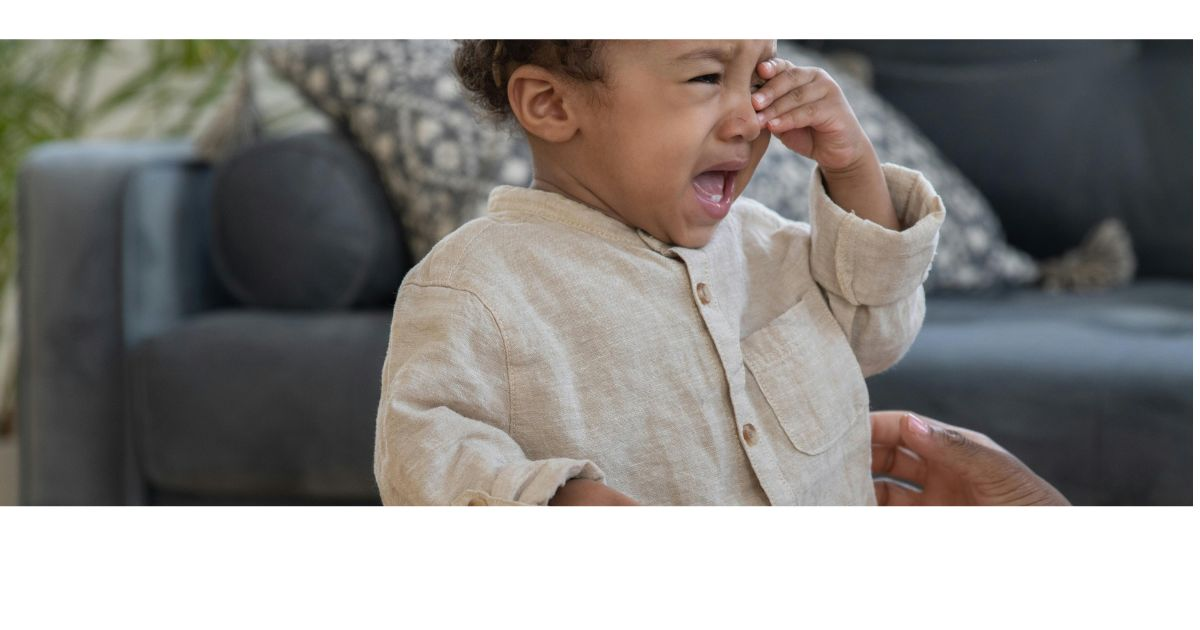
Biting is one of the behaviours that can worry parents the most during the toddler years. It can feel shocking the first time it happens, especially if your child bites another child at daycare, a playgroup, or even a sibling at home.
However, biting is actually quite common in toddlers. During this stage of development, children are still learning how to manage big emotions, communicate their needs, and interact with other children.
From my experience working as a nanny and caring for young children every day, biting is rarely about a child being “naughty.” In most cases, it happens because toddlers are overwhelmed, frustrated, or simply unsure how to express what they want.
Understanding why toddlers bite is the first step to helping them learn better ways to communicate and manage their emotions.
Why Toddlers Bite
Toddlers are going through a stage where they are developing language, emotional regulation, and social skills all at the same time. Because these abilities are still developing, children sometimes react physically when they feel strong emotions.
Over the years of caring for toddlers, I have seen several common reasons why biting happens.
Frustration
Frustration is one of the biggest triggers for biting.
Toddlers often know exactly what they want, but they do not yet have the words to express it clearly. When another child takes a toy they were playing with or interrupts their game, they can quickly become overwhelmed.
Instead of saying “I’m still using that,” a toddler may react impulsively and bite.
In my experience caring for multiple children at once, situations involving sharing toys are one of the most common moments when biting can happen. Toddlers are still learning how to take turns and wait, which can be very challenging for them.
Overstimulation
Another common cause of biting is overstimulation.
Busy environments such as playgroups, daycare settings, or family gatherings can sometimes overwhelm toddlers. When there are lots of children, noise, and activity happening at once, some toddlers struggle to process everything around them.
I have noticed that toddlers are much more likely to bite when they are tired, hungry, or already feeling overwhelmed. In these moments, biting can happen suddenly because they do not yet have the skills to cope with those big feelings.
Recognizing these situations early can help adults step in before biting happens.
Exploring the World
Toddlers explore the world through their senses. They touch, squeeze, throw, and sometimes even taste objects as they learn about their environment.
Because of this, some toddlers experiment with biting simply out of curiosity. They may want to see what happens or how another child reacts.
Although this behaviour needs to be addressed, it is often part of normal development as children learn about cause and effect.
Seeking Attention
In some cases, toddlers bite because they have learned that it gets a strong reaction from adults.
When a child bites and suddenly receives a lot of attention, even negative attention can reinforce the behaviour. Toddlers quickly notice that biting causes adults to respond immediately.
From my experience, this is why calm and consistent responses are so important when addressing biting behaviour.
How to Stop Toddler Biting
Although biting can feel stressful for parents, there are several effective ways to help toddlers learn more appropriate behaviours.
The key is responding consistently and helping children develop better ways to communicate their feelings.
Stay Calm and Respond Clearly
When a toddler bites, it is important to respond immediately but stay calm.
Young children learn best when adults remain steady and clear in their responses. Shouting or reacting with strong emotions can sometimes make the situation more confusing or overwhelming for the child.
A simple and direct response usually works best, such as:
“No biting. Biting hurts.”
In my experience working with toddlers, keeping the message short and clear helps them understand the boundary without overwhelming them with too many words.
Comfort the Child Who Was Bitten
When biting happens between children, the first step should always be to check on the child who was bitten.
Comforting them shows both children that biting causes pain and is not acceptable behaviour.
After making sure the other child is okay, you can calmly address the toddler who bit.
This approach teaches empathy while also reinforcing the rule that biting is not allowed.
Teach Better Ways to Communicate
Many toddlers bite because they do not yet know how to express their needs.
Helping them learn simple phrases can make a big difference over time. Teaching toddlers words they can use during frustrating situations helps reduce the need for physical reactions.
Some useful phrases to model include:
- “My turn.”
- “Stop.”
- “Help please.”
- “I’m still playing.”
When adults repeat these phrases regularly, toddlers begin to copy them and use them instead of biting.
Watch for Triggers
One of the most helpful strategies is paying attention to when biting tends to happen.
From my experience working with young children, biting often occurs in similar situations each time.
Common triggers include:
- Feeling tired or hungry
- Struggling to share toys
- Being in loud or busy environments
- Feeling overwhelmed during group play
Once you start to notice these patterns, you can step in early to help your child before the situation escalates.
Encourage Gentle Behaviour
Toddlers are still learning how to interact safely with others.
Adults can help by modelling and encouraging gentle behaviour during play. When a child shares a toy, plays kindly, or uses words instead of physical actions, it is helpful to acknowledge it.
For example:
“You used gentle hands. That was kind.”
Positive reinforcement helps toddlers understand which behaviours are expected and appreciated.
Redirect the Situation
Sometimes toddlers simply need help shifting their attention when they become frustrated.
Offering a different toy, suggesting a new activity, or moving to a quieter area can help prevent situations that may lead to biting.
In many cases, quick redirection can stop frustration from building up.
When Toddlers Usually Grow Out of Biting
The good news is that biting is usually a short phase.
As toddlers develop stronger language skills and better emotional regulation, they become more capable of expressing their needs without using physical actions.
From my experience caring for young children, biting tends to decrease significantly as toddlers approach preschool age and become more confident in communicating with others.
With patience, guidance, and consistent responses, most children quickly learn more appropriate ways to express themselves.
Final Thoughts
Although biting can be upsetting for parents, it is often a normal part of toddler development. Many children go through this stage as they learn how to manage frustration, communicate their needs, and interact with other children.
From my experience working as a nanny, the most effective approach is staying calm, responding consistently, and helping toddlers learn better ways to express their emotions.
With time, support, and practice, toddlers develop the skills they need to manage their feelings and build positive relationships with others.


